
PAINT BOOTHS
Advanced Fire & Gas Detection for Industrial Paint Booths
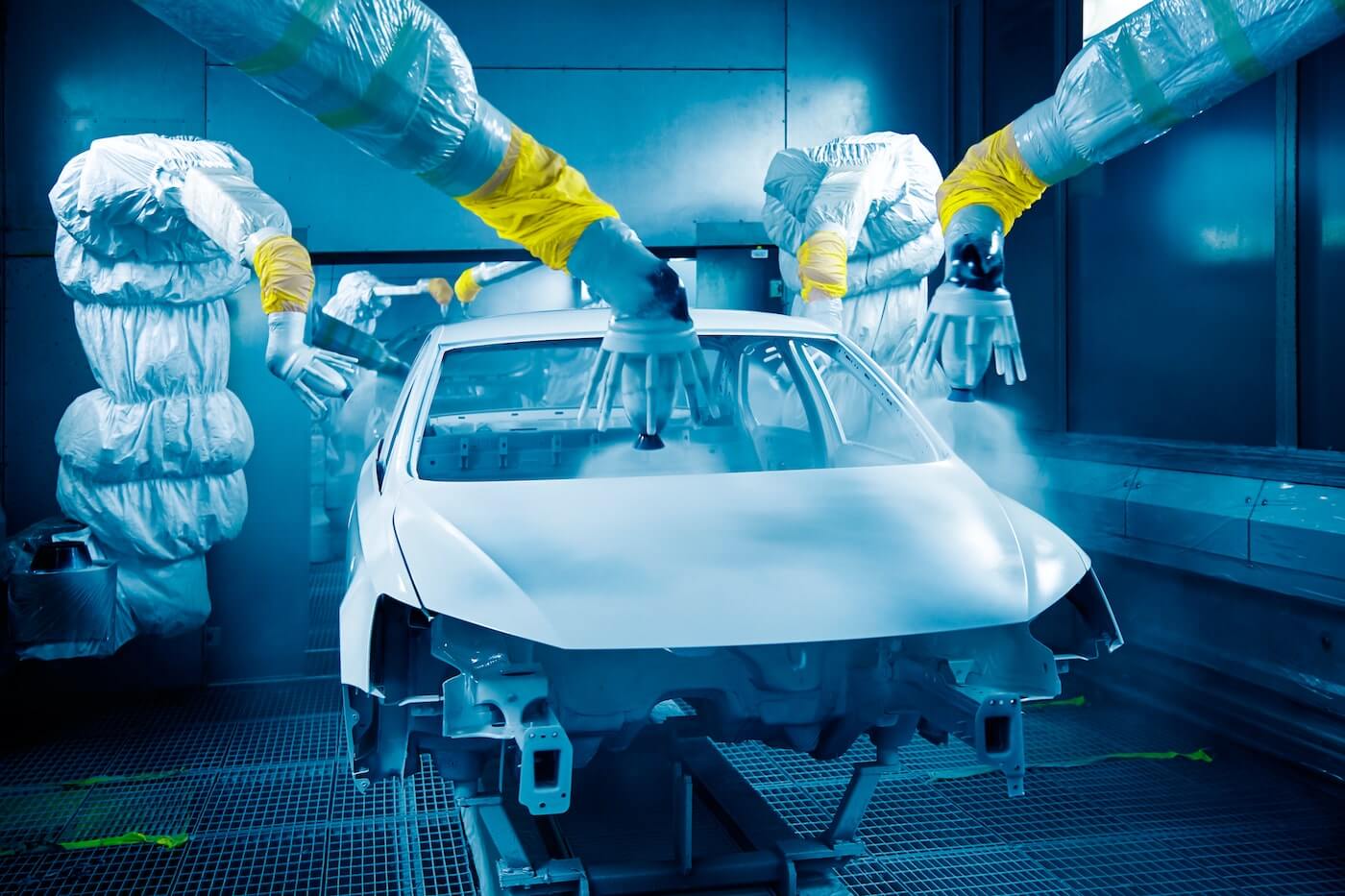
Industrial paint booths are environments where flammable vapors, fine overspray, and continuous air movement create conditions ripe for fast ignition. Whether used in automotive production, metal finishing, furniture manufacturing, or general industrial coating applications, paint booths require proven early detection to protect personnel, equipment, and finished products.
Up to 70%
reduction in damage when flame or vapor detection triggers rapid shutdown.
50–60%
of paint-booth fires originate from ventilation issues or overspray buildup.
Why paint booths present elevated fire risks
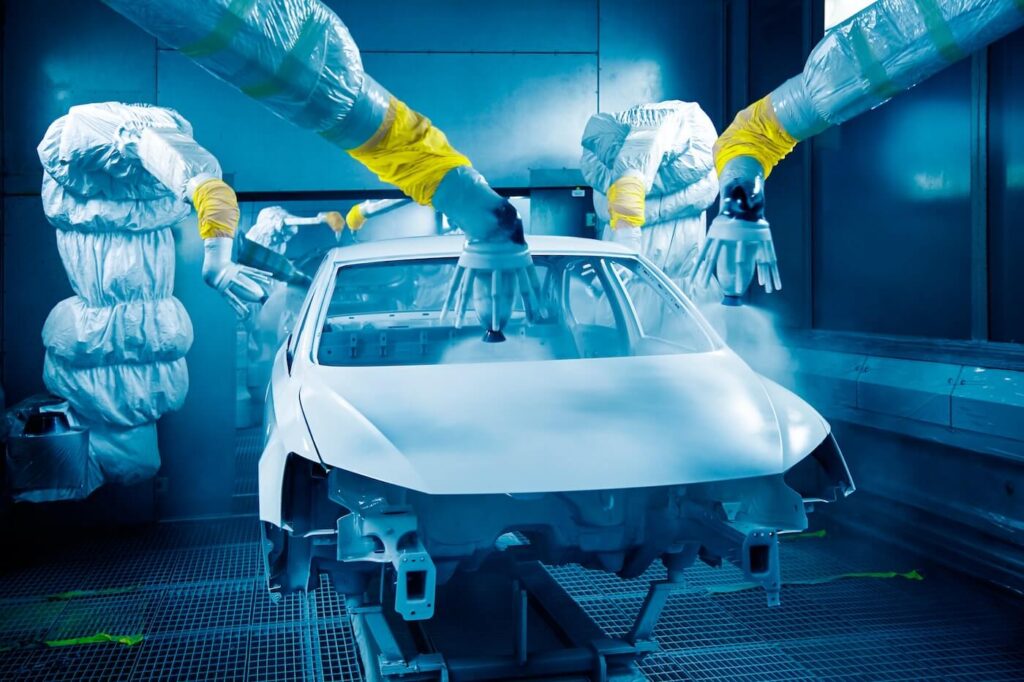
Paint processes rely on solvents and coatings that evaporate rapidly. These vapors can accumulate when airflow is disrupted or when ventilation systems cannot keep up with the production cycle. Inside a booth, ignition sources such as static electricity, lighting fixtures, electrical tools, machinery, and even surface heating can ignite vapor-rich atmospheres.
Overspray particles also settle on lights, fans, and equipment. In time, this buildup becomes flammable, increasing the risk of smoldering or ignition events in concealed spaces.
Because paint booths are enclosed, any ignition can develop quickly into a flash fire, making reliable detection essential.
Detection products tailored to manufacturing environments
Omniguard flame detectors react rapidly to ignition events even under strong airflow or bright lighting conditions. Gas detectors monitor vapor levels around mixing areas, spray equipment, and ventilation pathways — helping operators act before vapors reach dangerous concentrations.
Because paint booths are constantly exposed to fumes, aerosols, and airborne particles, Omniguard products are built to remain stable and resistant to false alarms caused by overspray or reflective surfaces.
Our detection products support:
- Fast response time and long detection distance
- Wide viewing angles
- Designed for easy cleaning and maintenance
- All models are available with Aluminum or Stainless-Steel housing
- Worldwide service and support network
How fire and vapor incidents typically occur
Fire events in paint booths often begin long before visible flames appear. A small spark in an area with concentrated vapors, a heat buildup in fans or motors, or residue on filters can ignite unexpectedly.
If ventilation is inconsistent — due to blocked filters, equipment malfunction or high production loads — solvent vapors accumulate and create a flammable atmosphere. Flash fires can occur when a worker enters with a heat source, when spraying begins after downtime, or when a machine component overheats.
Nearby mixing rooms and paint-storage areas add another layer of risk, as pre-mixing solvents and coatings increases vapor levels and overall flammability.
What a reliable detection strategy must achieve in paint booths
Paint-booth safety requires detection that reacts before conditions reach flashpoint. Systems must monitor for flame, vapor, and overheating without being affected by paint mist, airflow, humidity, or reflective panels.
This means flame detectors must distinguish real ignition from operational lighting and reflections; gas detectors must withstand solvents without drifting or false-triggering; and smoke/heat detection must be able to function near filters, ducting, and mechanical housings.
Omniguard products are engineered to meet these requirements while delivering consistency in challenging paint-application environments.
Additional Resources
Articles
Trusted Half a Century and How OmniGuard Leads Flame and Gas Detection Innovation >
From Hangars to Hydrogen and OmniGuard’s Expertise in High Stakes Environments >
Meet the Models and Choosing Between OmniGuard’s 660 760 and 860 Flame Detectors >
Precision Tested and How OmniGuard’s 540 545 Test Sources Ensure Detector Reliability >