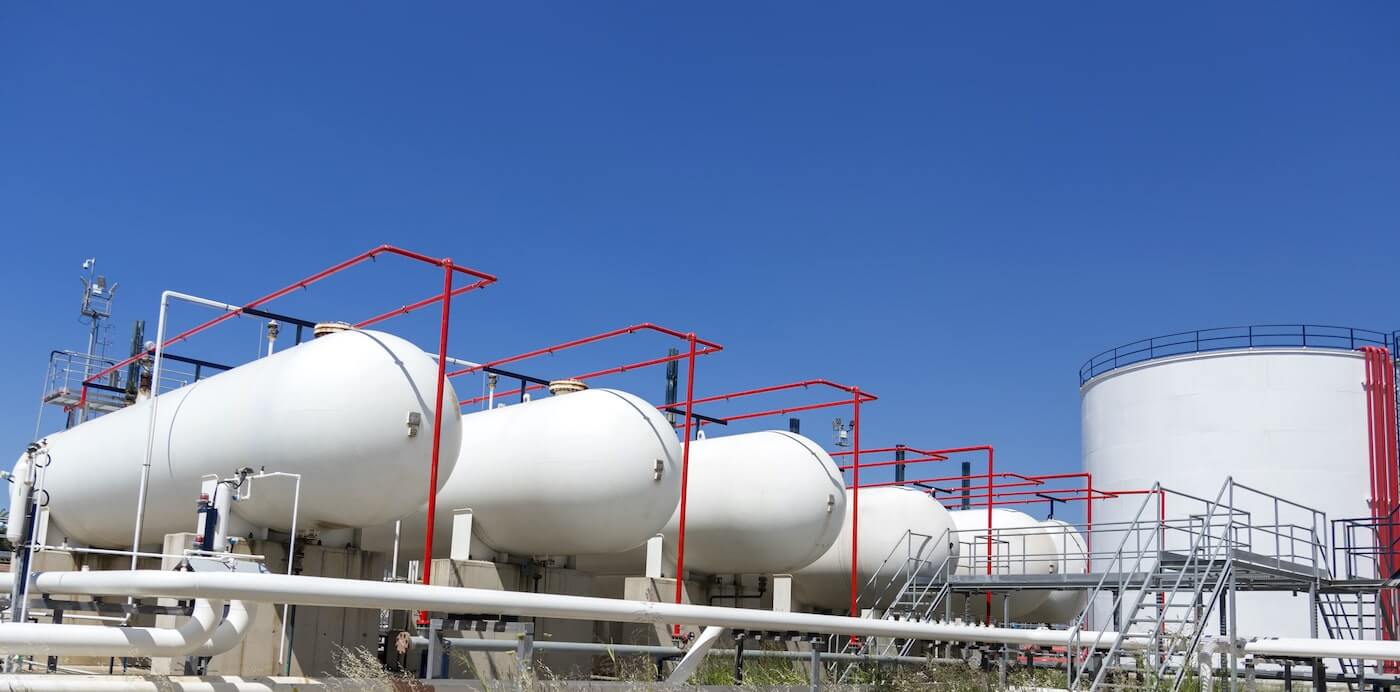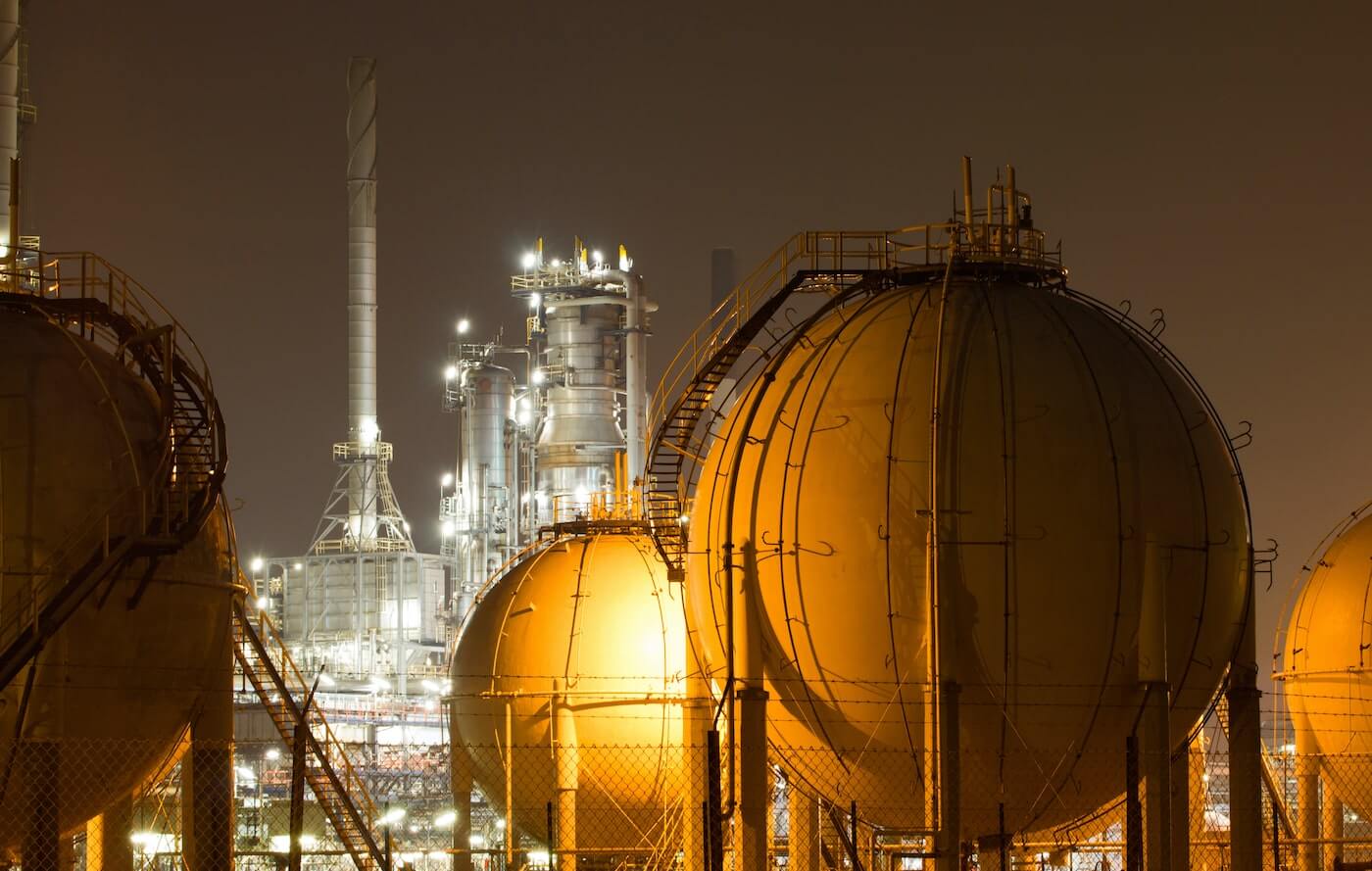

HYDROGEN FACILITIES
Detection Products for High-Risk Fuel Handling Environments
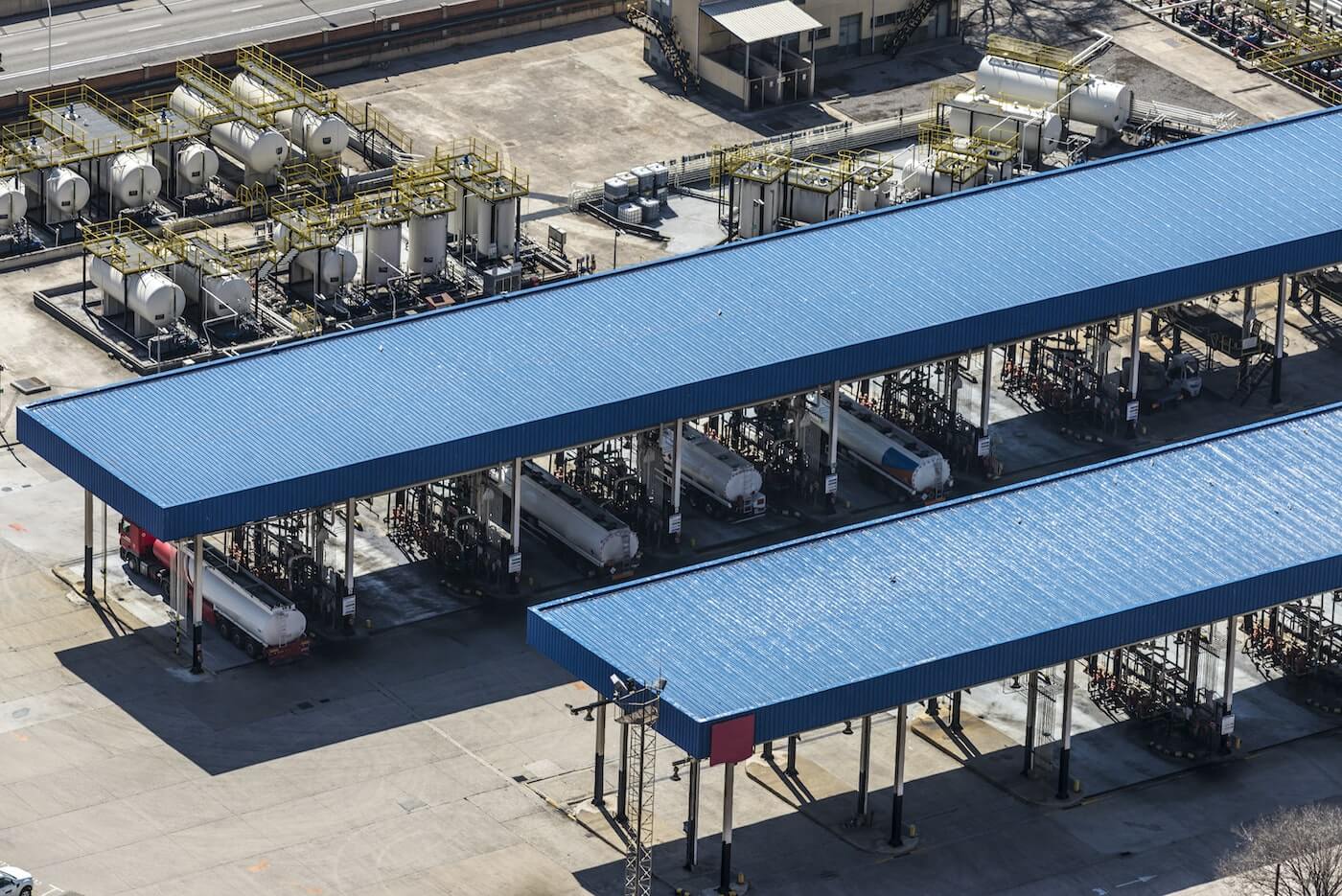
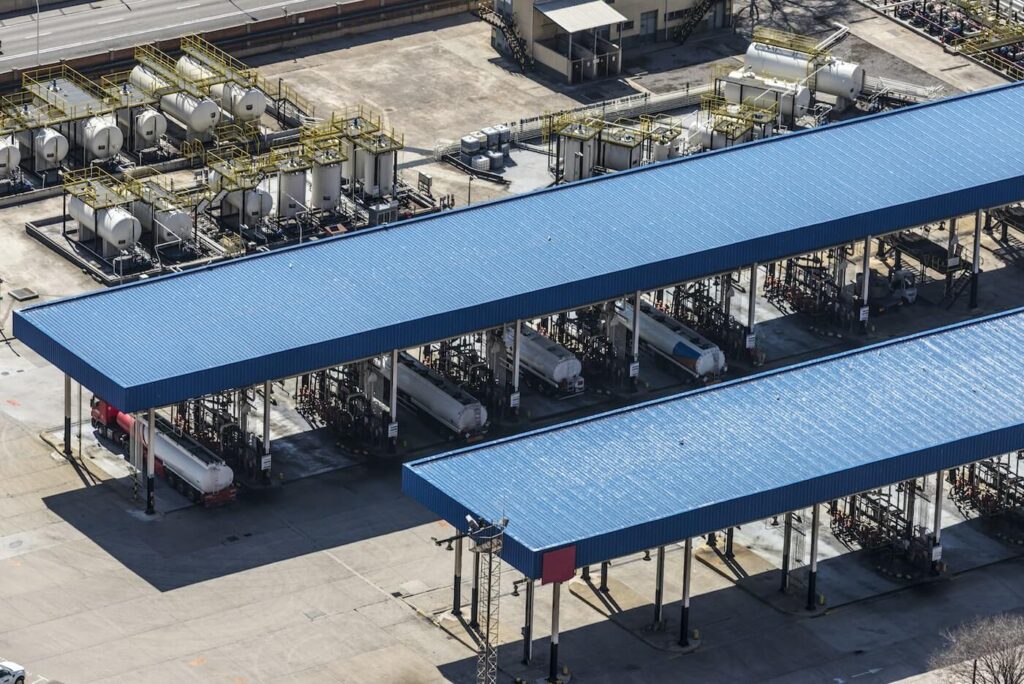
Fuel transfer stations — whether part of industrial plants, logistics terminals, marine facilities, or backup-power infrastructure — operate with high volumes of flammable liquids and vapors. These environments require dependable early detection to reduce the risk of ignition and support safe, uninterrupted operations.
Omniguard provides advanced flame, smoke, and gas detection products designed for hazardous areas where flammable fuels are stored, pumped, or transferred.
Our detectors support early warning and safe shutdown procedures, ensuring that operators, integrators, and engineers can build robust fire-protection strategies for these high-risk areas.
50 %
of fuel-related fires originate during transfer, handling, or loading operations.
65 %
Early detection and isolation can reduce losses by up to 65% in fuel-handling environments.
Fire risk in fuel transfer operations
Fuel transfer areas face hazards that can develop quickly: vapor clouds, static discharge, hot surfaces, and spill ignition. Early detection is crucial to minimizing damage and enabling rapid response.
Specific challenges include:
- Handling of flammable liquids under pressure
- Vapor accumulation around pumps, hoses, and connection points
- Increased ignition risk in windy or outdoor settings
- Electrical equipment operating near fuel-handling zones
- Potential spills during loading, unloading, or tank transfers
Omniguard detection technologies for fuel environments
Omniguard products are engineered for hazardous areas and deliver fast, accurate detection.
Our detectors are used to:
- Fast response time and long detection distance
- Wide viewing angles
- Designed for easy cleaning and maintenance
- All models are available with Aluminum or Stainless-Steel housing
- Worldwide service and support network
Typical ignition hazards in fuel transfer stations:
- Vapor cloud ignition from leaks or fumes
- Pool fires from spills or equipment failures
- Overheating of pumps, motors, or transfer skids
- Hose or gasket breakdown
- Static electricity discharge during fueling
- Vehicle movement near fuel transfer points
- Weather effects impacting flame or gas detection
What an effective fuel transfer detection setup should offer:
- Rapid detection of flame, gas, smoke, or abnormal heat
- Strong resistance to sun, reflections, weather, and background noise
- Low false-alarm rates while maintaining fast response
- Compatibility with emergency shutdown and isolation systems
- Reliable performance in outdoor, corrosive, or classified areas
- Compliance with relevant safety and hazardous-area regulations
Omniguard detection products are designed to meet these functional needs.
Additional Resources
Articles
Trusted Half a Century and How OmniGuard Leads Flame and Gas Detection Innovation >
From Hangars to Hydrogen and OmniGuard’s Expertise in High Stakes Environments >
Meet the Models and Choosing Between OmniGuard’s 660 760 and 860 Flame Detectors >
Precision Tested and How OmniGuard’s 540 545 Test Sources Ensure Detector Reliability >